
Flower Cold Storage Guide: How to Keep Roses, Tulips, Orchids, and More Fresh
There are different reactions among flowers after being cut. Some flowers last for weeks if the conditions are right while other flowers begin wilting after one day if the conditions are not correct. In countries like the UAE where heat outside the store means that cold storage must be available, understanding the reaction of various types of flowers in cold storage is just as important as having a chiller.
This guide breaks down the storage needs of some of the most commonly handled flowers — roses, tulips, orchids, chrysanthemums, hydrangeas, black roses, peace lilies, and calla lilies — so you can get the most vase life out of every stem. A well-designed commercial flower chiller like the ones available at FlowerChiller.ae makes it far easier to maintain these conditions consistently, especially when storing multiple varieties together.
Why Flower-Specific Storage Matters
Not every flower wants the same environment. Some are sensitive to cold and can suffer chilling injury below a certain temperature. Others are highly sensitive to ethylene gas, which speeds up wilting even in small concentrations. Humidity requirements also vary — tropical flowers generally need higher humidity than hardier cut flowers.
Treating all flowers alike during storage is one of the most frequent causes of variability in shelf life amongst the flowers handled by florists. It’s important to know how to properly treat each individual type.
Roses
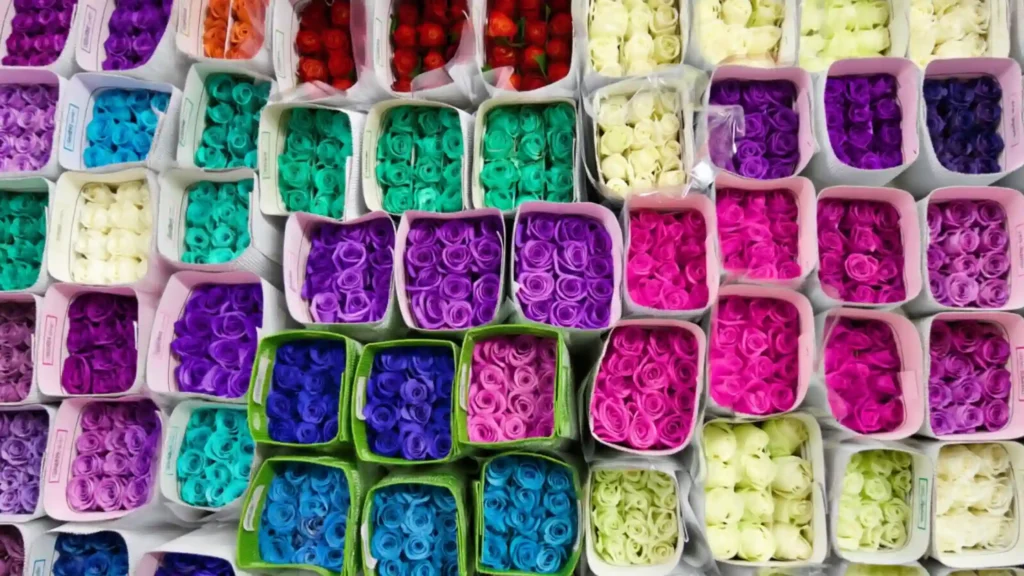
The most popular flower in the UAE floral trade is the rose, which is best kept between 1°C and 4°C with a humidity of 90–95%. Keeping them away from fruit or other high-ethylene stock helps maintain bloom quality because they are somewhat sensitive to ethylene. To prevent uneven cooling within a batch, roses should be pre-cooled before being stored in bulk.

Black Roses
Black roses — usually dyed or specially bred deep-red and near-black varieties — need the same core conditions as standard roses, but because their petals are often more delicate from the dyeing process, gentler handling matters more. Keeping them at a stable 2–4°C with consistent humidity helps preserve the depth of color, since fluctuating conditions can cause the petals to dry out and dull faster than expected.
Tulips
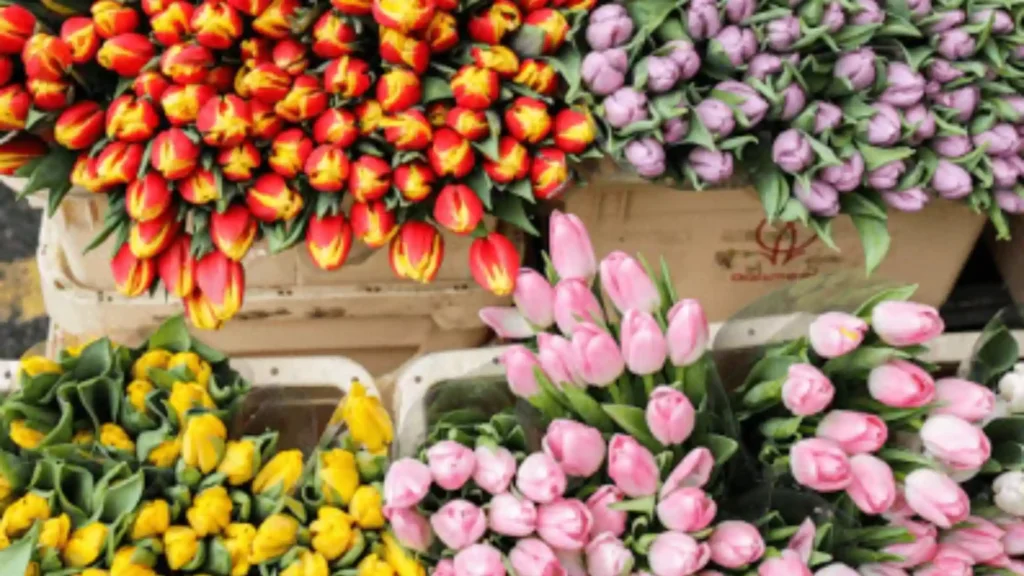
The unique characteristic of the tulip flower is that the flower still grows even when it has been cut. The flowers, therefore, ought to be placed in an upright position. In this case, it would be advisable to keep them upright and not on their sides.As compared to roses, tulips require lower temperatures, about 0.5°C – 2°C. They do not tolerate high temperature in storage since it makes their stems bend and blooming occurs very fast. Also, tulips need lower humidity as compared to tropical flowers.
Orchids
Orchids belong to the more fragile flowers that require special treatment in cold storage. This is due to the fact that some species are sensitive to cold injury below 7-10°C, which is much warmer than roses and tulips need. Cold storage at a temperature of 2-4°C intended for roses will harm the flowers. Thus, special cold storage systems that have adjustable zones of cooling are required for orchids or another cooler for tropical plants. Humidity for orchids should be higher than 90% to keep their petals fresh.
Chrysanthemums
Chrysanthemums are one of the hardiest cut flowers, therefore, cold storage conditions are not harmful for them, and usually are 1-3°C. This flower variety has relatively long vase life compared to delicate flowers and is easy to manage by florists with a large inventory of different flowers. However, chrysanthemums are sensitive to ethylene, thus, they should be kept away from fruits that produce this gas.

Hydrangeas
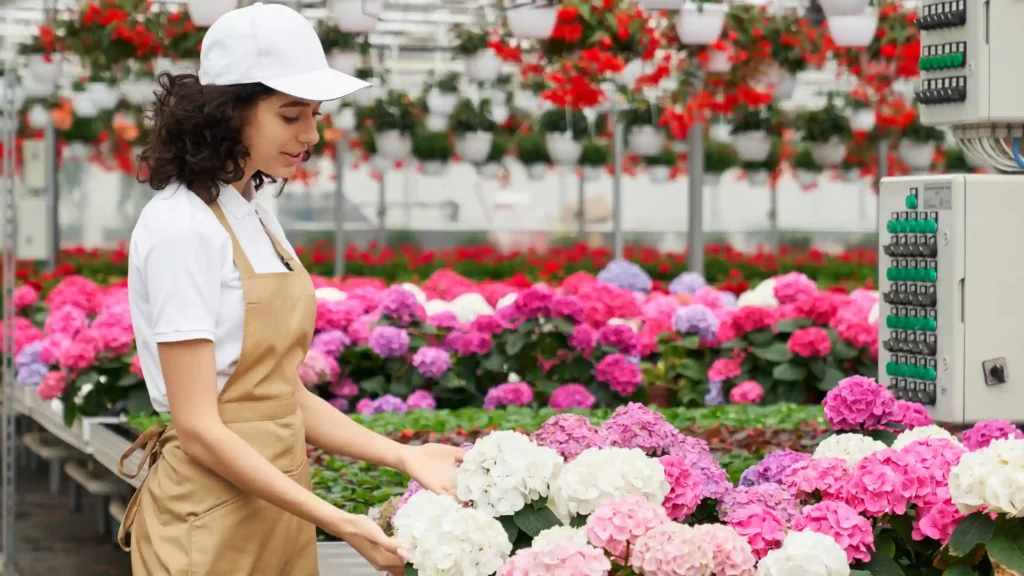
Hydrangeas are notoriously thirsty flowers and tend to wilt faster than most other cut flowers if humidity drops. They store best at 2–4°C with high humidity, ideally above 90%. Many florists find hydrangeas benefit from being stored with their stems in water inside the cold room, rather than dry storage, since they draw moisture continuously even after cutting.
Peace Lily
The peace lily, which is used both in bouquet arrangement and as a potted plant, is not tolerant of the lower temperatures than about 10 degrees Celsius, just like orchids. The peace lilies when stored in a chiller designed for roses or tulips will show signs of damage on the leaves and flowers. In case peace lilies are among your usual supplies, store them in a cooler at temperatures of about 8-12 degrees Celsius.
Calla Lily
Calla lilies prefer cool but not cold conditions, generally in the range of 2–4°C, and they’re sensitive to physical damage from being packed too tightly, since their stems and blooms bruise more easily than sturdier flowers. Adequate spacing in storage, along with stable humidity, helps calla lilies maintain their signature smooth, unblemished look through to delivery.
Building a Cold Storage Setup That Handles Mixed Inventory
Most florists don’t store just one type of flower — a typical UAE flower shop or wedding supplier is likely managing roses, tulips, orchids, and lilies at the same time, often for different events happening in the same week. This is where a single, uniformly cold chiller can actually work against you. Flowers with different temperature and humidity needs, stored together without any zoning, will always result in some varieties over-cooling while others don’t get cold enough.
A better approach is either:
- Multiple chiller units set to different temperature ranges — one for hardier, cold-tolerant flowers like roses and tulips, and another for warmer-tolerant tropical varieties like orchids and peace lilies.
- A single cold room with zoned sections, where temperature and airflow are managed to create slightly different microclimates within the same unit.
For florists just past the single-door stage, a double door flower cooler in UAE is often the easiest way to separate hardy stock from more delicate varieties without committing to a full walk-in room. And for larger operations juggling multiple flower types at once — say, roses in one section, orchids in another, and lilies in a third — a triple door flower cooler adds a dedicated zone, which makes it much easier to give each variety its own micro-climate.
For florists scaling up, especially around high-demand periods like wedding season or major holidays, investing in the right chiller configuration pays off in reduced spoilage and more consistent quality across every flower type carried in inventory.
Practical Storage Tips Applicable to All Flower Types
Irrespective of flower type, there are some practices that help in improving the shelf life:
• It is essential to cut the stems at an angle before putting flowers in cold storage and use clean water with flower food wherever necessary.
• Avoid overcrowding. The airflow around the stem becomes equally important as the setting of temperature itself.
• Ethylene-sensitive flowers should be stored separately from any fruit, vegetables or rotting plant parts kept in the same location.
• Make sure that you check humidity in addition to checking temperature. Most of the florists do not bother about humidity and just focus on the thermostat reading although it becomes the most important cause of premature wilting.
• Practice proper rotation to make sure that the older flowers are utilized first, especially for high turnover varieties such as roses and chrysanthemums.
• Pre-cool flowers before placing them in a well-filled refrigerator.Choosing the Right Chiller for a Multi-Flower Business
If your business handles a wide range of flowers — from hardy chrysanthemums to delicate orchids and calla lilies — the chiller itself needs to be flexible enough to support that variety. Look for units with:
- Reliable, adjustable temperature control across a wider range (not just a fixed cold setting)
- Strong humidity regulation, since many premium flowers depend on it more than temperature alone
- Enough interior space to allow proper airflow between buckets, rather than tight packing
- Reliable insulation and backup power protection, particularly important given UAE’s high ambient temperatures
FlowerChiller.ae designs commercial cold storage units specifically for florists managing this kind of mixed, high-turnover inventory, with configurations suited to both single-variety specialists and full-service flower shops handling everything from roses to orchids under one roof.
Final Thoughts
Cold storage isn’t one-size-fits-all, and treating every flower the same way is one of the most common — and most costly — mistakes florists make. Understanding the specific needs of roses, tulips, orchids, chrysanthemums, hydrangeas, black roses, peace lilies, and calla lilies makes it possible to extend shelf life, reduce waste, and deliver consistently better-quality arrangements to customers, no matter what the order calls for.